
Deep bite is a bite misalignment problem and it is quite common in the UK. The problem occurs when both the upper and the lower teeth in the front of the mouth overlap excessively when the jaw is closed. These cases are also referred to as dental malocclusion and misalignment. If the problem is left ignored and untreated it can lead to a number of complications related to your oral health. In the following sections of this post let us explore this particular dental malocclusion in details including the causes and the treatment options that are available. The topics discussed here may prove helpful for you taking informed decision in appropriate circumstance.
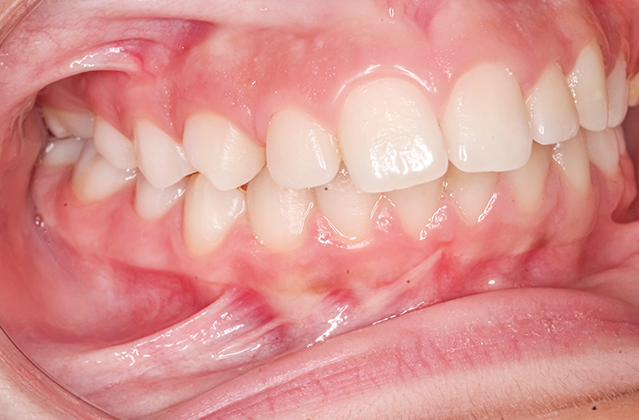
The orthodontic problem of a deep bite is also known as deep overbite. The problem occurs when teeth in the upper row overlap the teeth in the lower row to a significant extent. The extent of the overlapping can be huge enough that it may even touch the roof of the mouth. This condition makes life difficult for any person, normal activities like speaking, breathing and chewing may prove more difficult than one can actually imagine. This also affects the shape of one’s face. One is likely to look much aged in this condition with shorter and rounder face. Even the teeth and the gums are likely to suffer. According to dentists working at the renowned Thousand Smiles Dental Clinic in London, if statistics are concerned, more than 1 out of every 50 people on earth suffers from the orthodontic condition of deep bite. The best thing these people can do is to seek proactive treatment to correct the problem the professionals suggest.
A visual examination of the teeth as well as an assessment of bite is necessary to diagnose the condition of a deep bite. Both these factors become more important if a concerned person also suffers from crooked teeth. Modern dentistry offers several deep bite treatment options which include braces, clear aligners and a combination of both. Unlike that in the past, these days, orthodontists rely on various tools to correct this orthodontic problem. Deep bite correction programmes usually take anywhere between one and two years on average to yield results. In other words early intervention and treatment are particularly necessary in these cases. In fact early intervention is even more crucial in these cases when children are concerned.
Potential causes for development of deep bite problem are many and include the following – genetic factors that run in a family like a strong bite, a tiny jaw, misalignment of the teeth and the jaws, etc. understanding the exact reason of a deep bite problem in a patient proves helpful developing an effective treatment plan to correct the problem.
Factors that lead to poor development of the jaw include an injury sustained on the jaw, missing teeth and misalignment of the teeth and the jaw. When the teeth at the back of the mouth are missing then the teeth in the anterior are likely to shift forward. This deepens the bite and as such correctional measures to it become relevant. As mentioned above, understanding the underlying condition of a deep bite is important to create an effective and customised treatment plan and sort the issue out explains a dentist working at the renowned Thousand Smiles Dental Clinic.
A normal overbite results from a little overlap of the teeth in the upper row on the lower ones. This typically measures within 1 to 2 millimetres. This much of overlapping is considered ideal. But when a deep bite is concerned it is an abnormal vertical overlap; the teeth overlap excessively covering the front teeth in the lower row when occlusion is involved in the teeth at the back. So what is the difference between a standard overbite and a deep bite? According to experienced orthodontists the difference lies in the level or degree of overlap.
A normal overbite is all about a little overlap of the teeth in the upper row over those in the lower one, a deep bite involves more significant overlap. This increased overlapping in deep bite needs to be corrected or else it leads to various issues related to an individual’s oral health.
A deep bite problem has certain signs and symptoms although those signs and symptoms depend largely on the severity of the problem. Typical symptoms for deep bite include the following

A deep bite must be treated and corrected immediately. If the problem is left ignored and untreated it leads to increase decay and disease of both the teeth and the gums. Crooked teeth of these patients are practically impossible to clean properly and as a result harmful plaque build-ups in the mouth become rampant. It is important to remember that correcting the position of crooked teeth is practically an uphill task without fixing the problem of deep bite. As a result these issues are difficult to avoid in the condition of a deep bite, point out dentists associated with the Thousand Smiles Dental Clinic.
Mild cases of deep bite are usually treated with a combination of braces and bite pads. Early intervention is the key to prevent the condition from progressing and lead to more severe oral health issues in course of time when cases of deep bite are involved including closed bite and particularly the mild ones. Bite pads are also called bite turbos are tiny pads made of dental composite material. These pads are placed on the teeth to prop the bite open to facilitate placement of braces in safe and stable way.
According to a dentist in London who reasonable cost for deep bite treatment it is also important to note that the NHS England funds orthognathic surgery for patients who are detected with malocclusion or any severe skeletal deformity of the jaws. For people who are below 18 and who require orthodontic treatment for any health needs and also provided with free treatment by the NHS.



