
An underbite is a common problem in orthodontic dentistry. In easier words it is a dental condition where the front teeth from the lower row stick out or protrude beyond the front teeth in the upper row. The problem often arises when your lower jaw extends beyond the upper jaw and in dentistry terms a case of underbite involves Class III malocclusion. Malocclusion itself is a technical term popular among oral health professionals and is used to describe misaligned teeth.
When the teeth are aligned then obviously the lower front teeth do not protrude beyond the upper front ones. Rather in that case (that is when the teeth are in correct alignment) the upper front teeth extend a little beyond the lower front ones explains a dentist with years of experience in handling patients at the renowned Thousand Smiles Dental Clinic in London. In this positioning (that is the teeth are in correct alignment and the upper front teeth extend little beyond the lower front ones) it becomes possible for your teeth in both the rows at the back to meet when you close your mouth. There is also a common dental term for the teeth at the back and these are called molars.
According to experts when you have a slight underbite problem, the issue is often overlooked or ignored. However, if the problem is severe, that may affect your overall appearance and bring up symptoms to get easily identified.
Nearly 5 to 10 out of every 100 people are found to have an underbite problem although not every one of them require a treatment. The estimation given above includes both who have slight and major issues with their teeth alignment. Usually people who suffer from mild problem of underbite do not require any problem. Treatment is recommended for those who have a more noticeable issue with misaligned teeth.
A case of mild underbite is often not considered as an issue. But a massive case of underbite will make your jaw stick out and catch attention easily. In this type of cases there can be major symptoms like –
In addition to all the symptoms mentioned above the problem may even give rise of bad breath or halitosis, explains the dentist at the Thousand Smiles Dental Clinic.
In course of time an orthodontic underbite may lead to greater complications like the following –
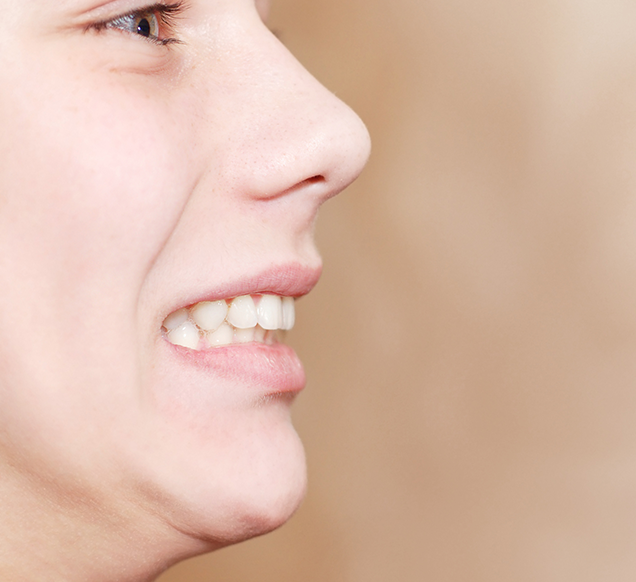
It is possible that your lower jaw is bigger than the upper one. Alternatively the upper jaw also could be under developed. It is also for an underbite to develop from the positioning of your teeth rather than the size or placement of your jaw. Genetic factor is also one of the most common causes for underbite problem. Even certain behaviours and conditions may also trigger the development of this particular orthodontic problem.
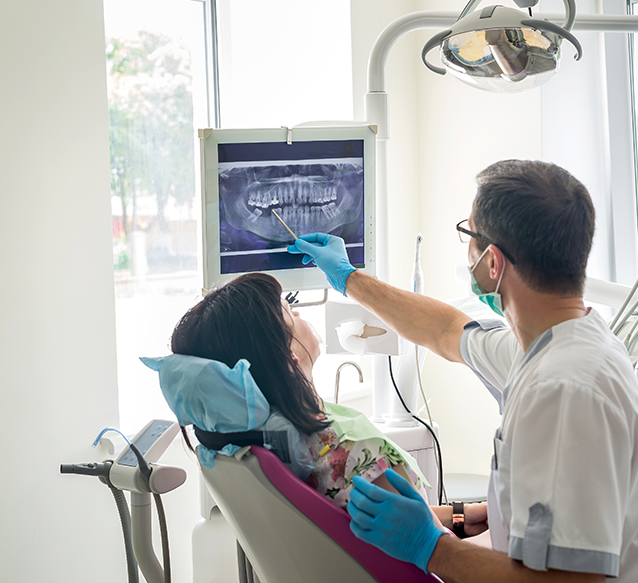
Clinical diagnosis of an underbite requires a physical exam conducted by a dentist. At Thousand Smiles Dental Clinic they even take dental x-rays which helps pin point the precise locations where the teeth are misaligned.
In severe cases of underbite one has to seek help of an orthodontist or an oral surgeon. An oral surgeon performs surgery on your facial structures like the teeth and the jaw, whereas an orthodontist deals with aligning your bite and straightening your teeth.

There are several treatment options to correct the problem of underbite. The choice of the treatment depends largely on the severity involved in a particular case and the age of a patient. The treatments procedures that slowly but steadily change the structure of the bones are usually reserved for children. As far as adult patients are concerned, they are usually recommended oral surgeries.
According to a dentist who offers reasonable cost for underbite treatment in the UK the three most common treatment options include usage of orthodontic braces and retainers, extraction of teeth and use of palate expanders and various other devices that modify growth of the jaw bone.



